
.png)


LASER HAIR REMOVAL AFTERCARE
After laser hair removal, your skin will be temporarily sensitive and may appear red or slightly swollen, similar to a mild sunburn. Proper aftercare is essential to maximize your results and prevent complications like hyperpigmentation, burns, or infection.
Immediate Care (First 24–48 Hours)
The primary goal immediately after treatment is to keep the skin cool and avoid further irritation.
Cool the Area: Use a cold compress or an ice pack wrapped in a clean, soft cloth for 5–10 minutes several times a day to reduce swelling and discomfort.
Soothe the Skin: Apply 100% Aloe Vera gel or clinic-recommended calming creams to hydrate and soothe the area.
Keep it Clean: Gently wash the treated area with lukewarm (never hot) water and a mild, fragrance-free cleanser.
Wear Loose Clothing: Choose breathable, loose-fitting cotton clothes to avoid friction and allow the skin to cool.
Activities to Avoid
For at least 48 hours (and up to 72 hours for high-heat activities), steer clear of the following:
-
Heat Treatments: Avoid hot showers, baths, saunas, steam rooms, and hot tubs.
-
Strenuous Exercise: Intense physical activity can raise body temperature and cause sweating, which irritates sensitive follicles.
-
Chlorinated Water: Skip swimming in pools or hot tubs to avoid irritation from chemicals.
-
Harsh Products: Avoid makeup, deodorants, perfumes, and products containing active ingredients like retinol, glycolic acid, or vitamin C for 24–48 hours.
Long-Term Maintenance (Between Sessions)
-
Sun Protection: This is the most critical rule. Avoid direct sun exposure and tanning beds for at least 2–4 weeks after treatment. Use a broad-spectrum SPF 30 or higher (ideally SPF 50) daily on all treated areas.
-
No Plucking or Waxing: Only shaving is allowed between sessions. Methods that pull hair from the root (waxing, threading, epilating) will disrupt the treatment cycle and reduce effectiveness.
-
Gentle Exfoliation: Wait at least 1 week before gently exfoliating. Regular exfoliation after the first week helps the treated hair shed naturally and prevents ingrown hairs.
-
Allow for Shedding: Treated hairs will begin to shed between 1 and 3 weeks post-treatment. Do not pick or pull at these hairs; let them fall out naturally.
When to Contact a Professional
While minor redness is normal, seek medical attention or contact your clinic if you experience:
-
Blistering, crusting, or skin that appears "puckered".
-
Severe or persistent pain that does not respond to paracetamol.
-
Signs of infection, such as pus, extreme swelling, or red streaks.
-
Significant changes in skin pigment (dark or light spots) that do not fade.
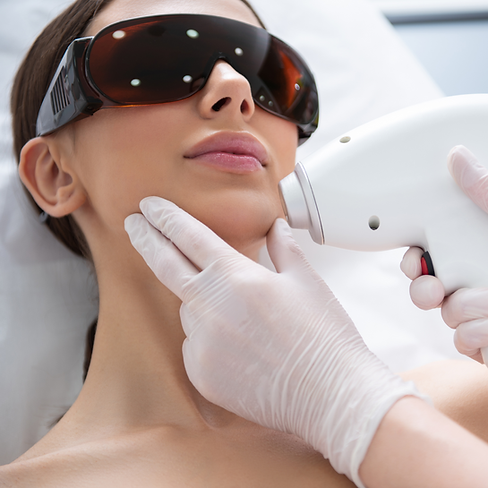
LASER SKIN REJUVENATION AFTERCARE
Laser skin rejuvenation requires careful aftercare because the treatment creates controlled micro-injuries to stimulate collagen. Your skin will be highly sensitive, appearing red or swollen for 24 to 48 hours, similar to a mild sunburn.
Immediate Recovery (First 48 Hours)
The goal is to keep the skin cool and avoid anything that increases blood flow or inflammation.
-
Cooling: Apply a cold flannel or cool pack (not ice directly on the skin) to ease heat and stinging.
-
Cleaning: Wait 6–8 hours before washing. Use only lukewarm or cool water with a mild, fragrance-free cleanser. Pat dry gently with a clean tissue; do not rub.
-
Elevate Your Head: Sleep with your head raised on extra pillows for the first 1–2 nights to minimize facial swelling.
-
Hydration: Drink plenty of water and apply gentle moisturisers containing hyaluronic acid, ceramides, or aloe vera to restore the skin barrier.
What to Avoid
For at least 48 to 72 hours, avoid these irritants:
-
Heat & Sweat: No hot baths, saunas, steam rooms, or strenuous exercise.
-
Active Ingredients: Stop using retinol, Vitamin C, AHAs (glycolic acid), or BHAs (salicylic acid) for at least one week, or until fully healed.
-
Makeup: Avoid for 24–48 hours to prevent clogging pores or introducing bacteria. Use mineral-based products once you resume.
-
Pick/Scratch: As skin begins to peel or dark spots flake off (typically day 3–7), do not pick. This can lead to permanent scarring or infection.
Long-Term Protection
-
Sun Safety: This is critical for preventing hyperpigmentation. Apply a broad-spectrum SPF 50 daily, even if indoors, for at least one month after treatment.
-
Lifestyle: Avoid smoking and alcohol for at least 48 hours post-treatment, as they thin the blood and can increase bruising or delay healing.
When to Call Your Clinic
Contact your specialist if you experience:
-
Blistering or skin that appears raw and oozing.
-
Signs of infection (pus, extreme pain, or spreading redness).
-
Cold sore outbreaks in the treated area.
Are you preparing for a specific type of laser treatment, such as CO2 resurfacing or IPL, which might have slightly different healing timelines?

LASER TATTOO REMOVAL
Aftercare for laser tattoo removal is more intensive than hair removal because the laser shatters ink particles beneath the skin, often creating a "frosting" effect, pinpoint bleeding, or blistering. Proper care is vital to prevent scarring and ensure the body can efficiently flush out the ink.
Immediate Care (First 24–48 Hours)
-
Keep it Covered: Your practitioner will likely apply a sterile dressing. Keep this on for the first 24 hours to protect the "open" skin from bacteria.
-
Cool the Area: Apply a cold compress or ice pack (wrapped in a clean cloth) for 10–15 minutes every hour to reduce heat and swelling.
-
Elevation: If the tattoo is on an arm or leg, keep the limb elevated to minimize throbbing and swelling.
-
Keep it Dry: Avoid soaking the area. When showering, let water run over it gently, but do not submerge it in a bath.
Managing the "Heal" (Days 3–14)
-
Blister Management: Blisters are a normal part of the process. Do not pop them. If they pop naturally, apply an antiseptic ointment (like Savlon or a clinic-recommended balm) and cover with a sterile bandage.
-
Moisturise Gently: Once the initial "wound" phase has passed, apply a thin layer of fragrance-free moisturiser or Vitamin E ointment 2–3 times a day to prevent the skin from cracking.
-
No Picking: As the area scabs or flakes, let it fall off naturally. Picking scabs increases the risk of scarring and permanent pigment changes.
Activities to Avoid
-
Sun Exposure: This is the #1 rule. UV rays can cause hyperpigmentation or "ghosting" (loss of skin color). Keep the area covered with clothing or a physical SPF 50 for at least 4 weeks.
-
Heat & Friction: Avoid hot tubs, saunas, and swimming pools until the skin is fully healed (no scabbing or peeling left).
-
Aggressive Exercise: High-impact cardio or weights can cause swelling and irritation in the treated area; take it easy for at least 48 hours.
Boosting Your Results
-
Hydrate: The lymphatic system carries the shattered ink away. Drinking plenty of water helps this process.
-
Don't Smoke: Smoking significantly slows down the body's ability to clear the ink, often requiring more sessions to achieve the same result.
When to Call the Clinic
-
If you see honey-colored crusting or pus (signs of infection).
-
If you experience extreme swelling that spreads beyond the tattoo site.
-
If you develop a fever or feel generally unwell post-treatment.
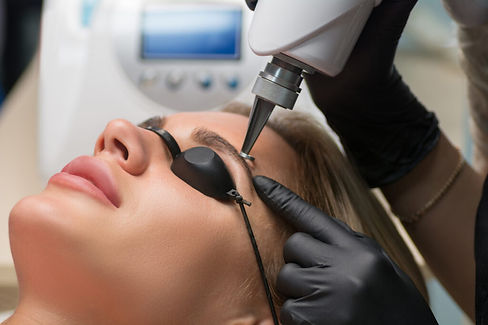
LASER SPMU REMOVAL
Laser removal of Semi-Permanent Makeup (SPMU)—such as microblading, lip blushing, or eyeliner—is highly specialized because the skin on the face is thinner and the pigments often contain metals that can change color (oxidize) during treatment.
Immediate Care (First 24–48 Hours)
-
Keep it Bone Dry: Unlike body tattoos, it is often recommended to keep SPMU removal sites completely dry for the first 24 to 48 hours to allow the skin to seal.
-
Cold Compress: Apply a clean, cold pack (wrapped in a sterile gauze) for 5–10 minutes every hour to manage swelling, which is particularly common around the eyes and brows.
-
Cleanliness: Do not touch the area with unwashed hands. If you must clean it, use a damp cotton pad with cooled, boiled water and pat gently.
-
Elevate: Sleep with an extra pillow to reduce facial puffiness, especially if the treatment was near the eyes.
Managing the Healing Process
-
The "Oxidization" Phase: Be aware that your SPMU may temporarily turn darker, grey, or even orangey-red immediately after the laser. This is a normal chemical reaction of the pigment and will fade as the body processes it.
-
Ointment: Use only the specific post-care balm provided by your technician (usually a medical-grade barrier cream or antiseptic). Apply a very thin layer using a clean cotton bud.
-
No Makeup: Do not apply brow pencil, foundation, or concealer over the treated area for at least 7–10 days or until the skin is fully intact.
-
Strictly No Picking: Any crusting or "micro-scabs" must fall off naturally. Picking in this delicate area can lead to permanent hair loss (in brows) or scarring.
Essential Restrictions
-
Sun Protection: The face is constantly exposed. Wear a wide-brimmed hat and, once the skin has closed (usually after 7 days), apply a Mineral SPF 50 religiously.
-
Avoid Facial Heat: No steam, long hot showers, saunas, or facial "steaming" for at least 2 weeks.
-
No Active Skincare: Keep Retinols, Vitamin C, and Acids (AHA/BHA) away from the treated area for at least 14 days.
Specific Considerations
-
Brows: You may notice your brow hairs turning white or blonde temporarily; this is normal and the color will return as new hair grows.
-
Lips: If you have a history of cold sores, laser removal can trigger an outbreak. Consult your doctor for an antiviral (like Aciclovir) prior to and after treatment.
When to Contact Your Professional
-
Excessive swelling that affects your vision (if removing eyeliner or brows).
-
Signs of infection like yellow crusting, pus, or localized heat.
-
Blistering that is large or painful.

ADVANCED SKIN BOOSTERS
Skin boosters like involve multiple micro-injections of hyaluronic acid. Unlike lasers, the primary concern here is managing swelling at injection sites and preventing infection while the product "settles."
Immediate Care (First 24–48 Hours)
The focus is on keeping the injection sites clean and reducing potential bruising.
-
Don't Touch: Avoid touching, rubbing, or massaging the treated area for at least 6 hours to prevent bacteria from entering the injection points.
-
Cooling: Use a clean cold compress gently (no pressure) for 10 minutes every few hours to reduce swelling.
-
Arnica for Bruising: If you are prone to bruising, you can apply Arnica gel or take oral supplements starting immediately after treatment.
-
Sleep Elevated: Sleep on your back with an extra pillow for the first night to help fluid drain and minimize morning puffiness.
Activities to Avoid
-
No Intense Heat: Avoid saunas, steam rooms, sunbeds, and very hot showers for 48 hours, as heat can increase swelling and cause the hyaluronic acid to degrade faster initially.
-
Skip the Gym: Avoid strenuous exercise for 24–48 hours to keep your blood pressure stable and minimize bruising.
-
No Alcohol: Avoid alcohol for 24 hours post-treatment, as it thins the blood and increases the risk of bruising.
-
Minimize Makeup: Wait at least 12–24 hours before applying makeup to allow the injection sites to close fully.
Product & Skin Routine
-
Skip Actives: Avoid Retinols, Vitamin C, and exfoliating acids (AHAs/BHAs) for 24–48 hours. Stick to a simple, hydrating cleanser and moisturizer.
-
No Facial Treatments: Do not book facials, chemical peels, or facial massages for at least 2 weeks to allow the booster to integrate into the skin tissue.
-
Hydrate: Drink plenty of water. Skin boosters work by pulling moisture into the skin, so staying hydrated internally improves your results.
What to Expect
-
The "Bee Sting" Effect: It is normal to see small, raised bumps at the injection sites. These typically disappear within 24 to 72 hours as the product spreads under the skin.
-
Mild Tenderness: The area may feel slightly sore or tight for a day or two.
When to Seek Advice
Contact your practitioner immediately if you experience:
-
Skin that feels unusually hot to the touch or shows spreading redness (signs of infection).
-
Skin that turns white, grey, or mottled (signs of vascular compromise).
-
Severe or worsening pain.

CHEMICAL PEELS & FACIALS
Aftercare for chemical peels and professional facials varies depending on the intensity. Light peels (lunchtime peels) have minimal downtime, while medium to deep peels require strict protocols to prevent scarring and pigmentation.
Immediate Care (First 48 Hours)
-
Hands Off: Do not pick, peel, or scratch the skin. Forcing skin to shed before it is ready can cause permanent scarring and post-inflammatory hyperpigmentation (PIH).
-
Cool Water Only: Wash your face with cool or lukewarm water. Avoid hot water, which can further inflame the sensitized skin.
-
Simplify: Use a soap-free, fragrance-free, "non-active" cleanser. Pat the skin dry with a clean towel; never rub.
-
Hydrate Heavily: Use a bland, thick moisturizer or a barrier-repair cream (look for ceramides or panthenol) to keep the skin supple as it tightens and peels.
Things to Avoid
-
Sun Exposure: This is non-negotiable. Your "new" skin is incredibly vulnerable. Use a physical (mineral) SPF 50 daily. Avoid direct sunlight for at least 1–2 weeks.
-
Sweat & Heat: Skip the gym, saunas, and steam rooms for 48–72 hours. Sweat can get trapped under the peeling skin and cause irritation or "sweat blisters."
-
Active Ingredients: Stop all Retinoids, Vitamin C, and Acids (Glycolic, Salicylic, etc.) for 7 days, or until the skin has completely stopped flaking.
-
Exfoliation: Do not use scrubs or washcloths to "help" the peeling process. Let the skin fall off naturally.
Post-Facial Specifics (Extracton Care)
If your facial included extractions:
-
Avoid Makeup: Try to go makeup-free for 24 hours to allow the pores to close.
-
Clean Pillowcase: Sleep on a fresh silk or cotton pillowcase to prevent bacteria from entering open pores.
-
No "Home Squeezing": If a blemish remains, leave it alone. The area is already inflamed from the professional treatment.
Timeline of Recovery
-
Day 1-2: Skin may feel tight, red, or look "bronzed" (darker).
-
Day 3-5: Peeling typically begins, starting around the mouth and nose.
-
Day 7+: Skin should be fully healed, revealing a brighter, smoother complexion.
When to Contact the Clinic
-
If you develop blisters or crusting (common with deep peels but should be monitored).
-
If you experience extreme swelling or an itchy rash.
-
If you see any signs of a cold sore breakout.

MICRONEEDLING AFTERCARE
Microneedling (Dermarpen) creates thousands of tiny "micro-channels" in the skin. Because your skin barrier is technically open for several hours, the goal is to prevent infection and maximize the collagen-boosting process.
The First 24 Hours: "The Sterile Window"
-
Don't Wash: Ideally, wait 24 hours before washing your face. If you must wash it sooner, use only lukewarm water and no cleanser.
-
Hands Off: Your skin is an open wound. Avoid touching your face to prevent transferring bacteria from your fingers.
-
Clean Environment: Change your pillowcase to a fresh one tonight. Clean your phone screen with an alcohol wipe.
-
No Makeup: Do not apply any makeup or use old makeup brushes for at least 24–48 hours.
Days 1–3: Soothe and Protect
-
Gentle Cleansing: Use a very mild, soap-free cleanser. Gently pat dry with a clean paper towel rather than a shared bathroom towel.
-
Hyaluronic Acid Only: Your skin will feel tight and dry. Use Hyaluronic Acid to hydrate. Avoid heavy oils or rich "anti-ageing" creams that might clog the micro-channels.
-
Strict Sun Protection: Your skin is highly photosensitive. Use a Mineral (Physical) SPF 30-50 containing Zinc or Titanium Dioxide. Chemical sunscreens may sting.
-
Avoid Heat: No gym, saunas, or hot showers for 48 hours. Sweating can cause irritation and "sweat bumps."
Days 4–7: The Peeling Phase
-
Expect Peeling: Your skin may begin to flake like a mild sunburn. Do not pick or use a scrub to remove it. Let it shed naturally.
-
No Actives: Continue to avoid Retinol, Vitamin C, and Acids (AHA/BHA) until at least day 7, or until all redness has completely vanished.
-
Hydrate: Keep the skin barrier supported with ceramides or basic moisturizers to help the new skin emerge healthy.
What to Expect
-
Redness: Looking like a "strawberry" or having a mild "sunburn" for 24–48 hours is completely normal.
-
Rough Texture: Your skin might feel like sandpaper for a few days before it becomes smooth.
When to Seek Advice
-
If you develop a fever or the redness starts to spread significantly after 48 hours.
-
If you see pus-filled bumps or persistent oozing.
-
If you have a history of cold sores and notice a tingly sensation or breakout.

ANTI-WRINKLE INJECTIONS AFTERCARE
Anti-wrinkle injections (like Botox, Dysport, or Bocouture) work by temporarily relaxing the muscles. The primary goal of aftercare is to ensure the product stays exactly where it was placed and doesn't migrate to unintended muscles.
Immediate Care (First 4–6 Hours)
-
Stay Upright: Do not lie down or bend over forward for at least 4 hours. Remaining upright helps prevent the toxin from migrating toward the eye area, which can cause eyelid drooping (ptosis).
-
Exercise the Muscles: Gently move the treated area—frown, squint, or lift your eyebrows—every few minutes. This helps the product bind to the targeted muscle receptors.
-
No Touching: Avoid rubbing, massaging, or applying firm pressure to the injection sites. This is the most common cause of product migration.
Activities to Avoid (First 24–48 Hours)
-
No Strenuous Exercise: Avoid the gym or intense physical activity for 24 hours. Increased blood flow can metabolise the product too quickly or move it away from the injection site.
-
Heat Exposure: Steer clear of saunas, steam rooms, hot tubs, and very hot showers. Excessive heat can increase swelling and inflammation.
-
Alcohol & Blood Thinners: Avoid alcohol for 24 hours to minimize the risk of bruising at the injection points.
-
Face Down Treatments: Do not book a massage, facial, or any treatment where you have to put your face in a "cradle" for at least 48 hours.
Skincare & Makeup
-
Makeup: Wait at least 4 hours before applying makeup to avoid introducing bacteria into the tiny needle marks. Use clean brushes or sponges.
-
Gentle Routine: You can wash your face on the evening of the treatment, but use very light, upward strokes. Avoid facial scrubs or exfoliating brushes for 24 hours.
What to Expect
-
The "Wait": You will not see results immediately. It typically takes 3–5 days to start working and up to 14 days for the full effect to settle.
-
Mild Bumps: Small, bee-sting-like bumps at the injection site are normal and usually disappear within 20–30 minutes.
-
Headaches: A mild "tension" headache is a common side effect for the first 24 hours. You can take paracetamol if needed (avoid ibuprofen if you want to minimize bruising).
When to Call the Clinic
-
If you experience a drooping eyelid or brow.
-
Difficulty swallowing or breathing (extremely rare).
-
Any signs of an allergic reaction, such as hives or significant swelling.